We start by understanding the objective
Every project begins with a brief, but the brief is rarely the whole story.
We work to understand what the client is ultimately trying to achieve: how the asset needs to perform, the commercial and operational priorities behind it, the constraints surrounding it, and the stakeholders whose requirements can affect the outcome.
This allows our teams to look beyond individual tasks and make better-informed decisions from the outset.
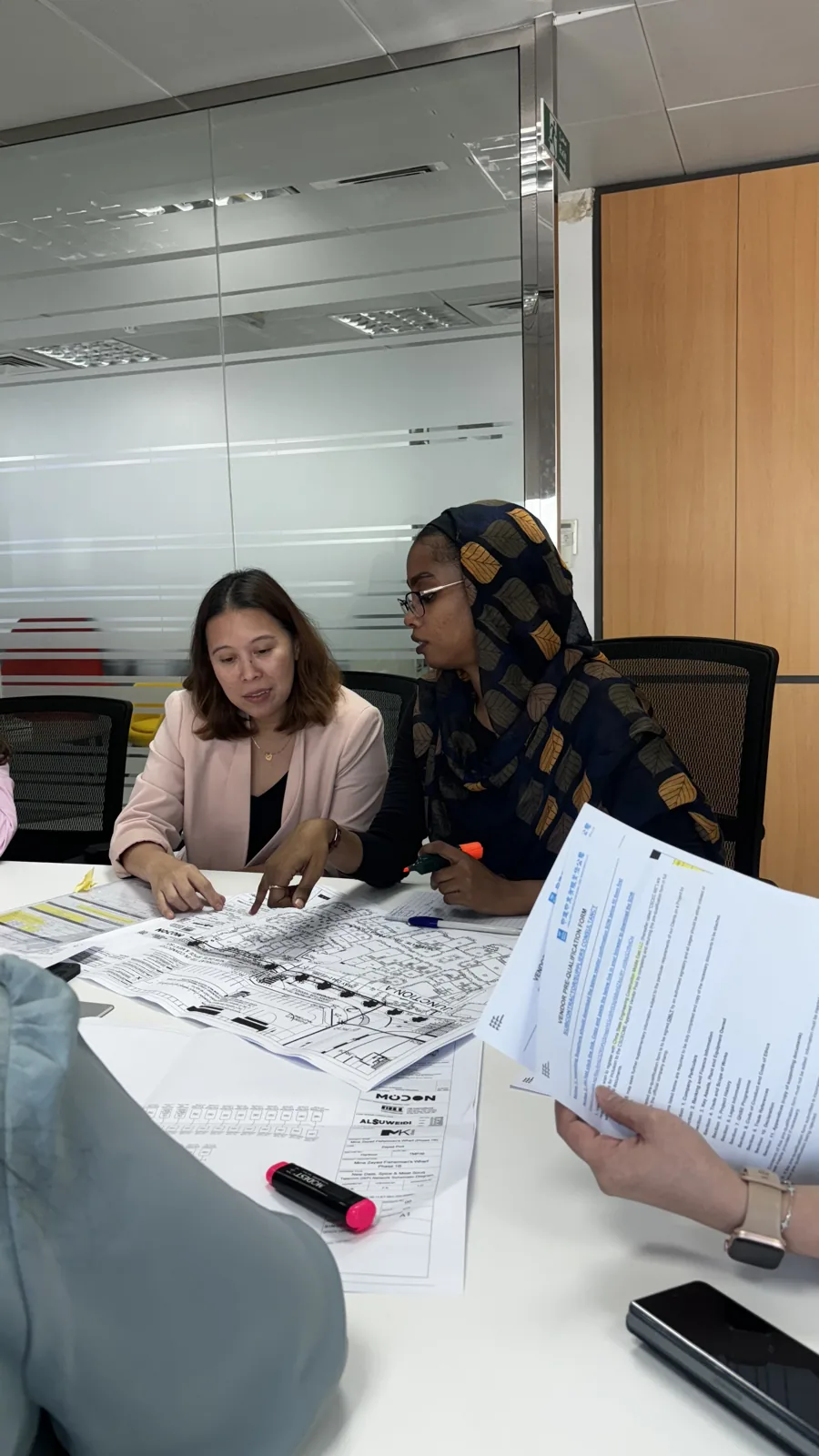
We work as one integrated team
These capabilities are closely interconnected. Keeping them within an integrated practice allows decisions to be considered across disciplines rather than in isolation.
Issues can be identified earlier. Interfaces become clearer. Design changes can be assessed more quickly. And responsibility is less likely to disappear between different parties.
For the client, the result is a more coordinated project and a clearer line of accountability.
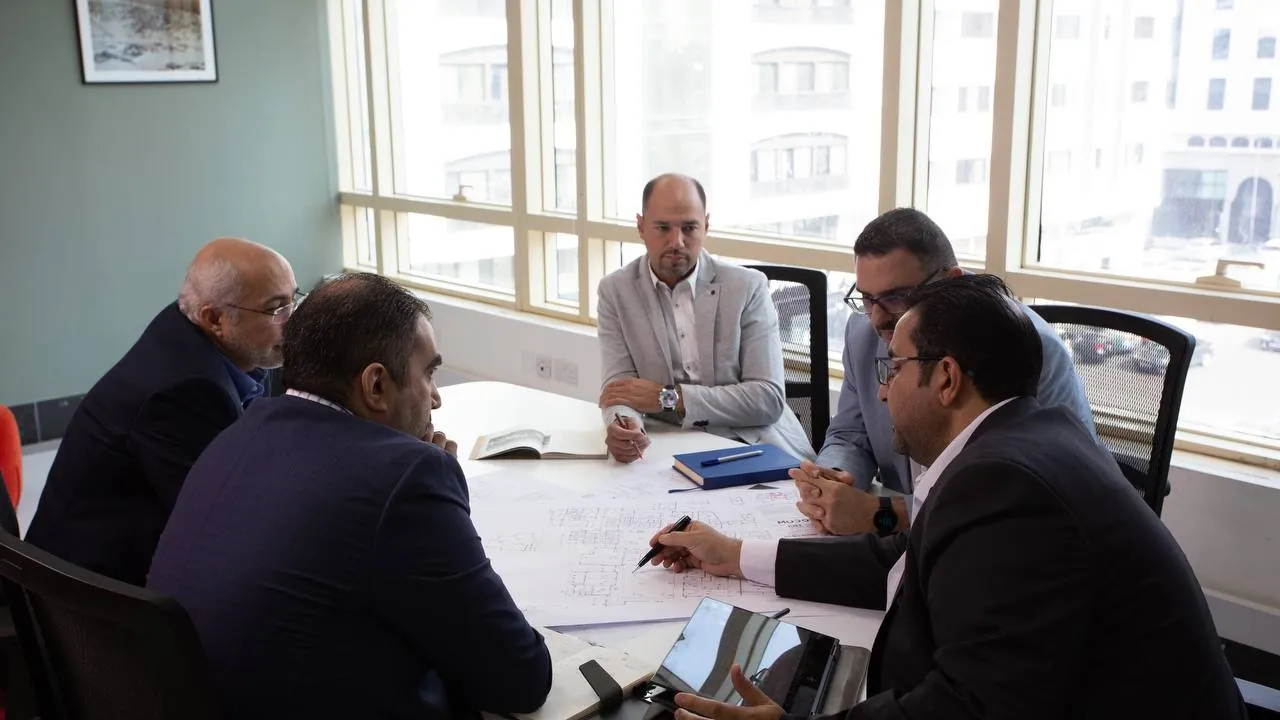
We design with the whole project in mind
A technically correct design is not necessarily a successful one.
We consider how design decisions affect cost, programme, approvals, constructability, operation and the work of other disciplines.
Our role is therefore not simply to produce drawings. It is to exercise professional judgement: identifying what matters, anticipating problems and finding solutions that serve the broader objectives of the project.
That thinking continues from the earliest studies and concepts through detailed design, approvals, construction and completion.
We make complexity manageable
Projects involve many moving parts: clients, designers, contractors, authorities, operators and other specialists, often working under significant time and commercial pressure.
Our job is to bring structure to that complexity.
We establish clear responsibilities, coordinate information across disciplines, track decisions and requirements, and maintain visibility over the issues that can affect delivery.
The objective is simple:
Fewer surprises and better-informed decisions.
We use technology where it makes us better
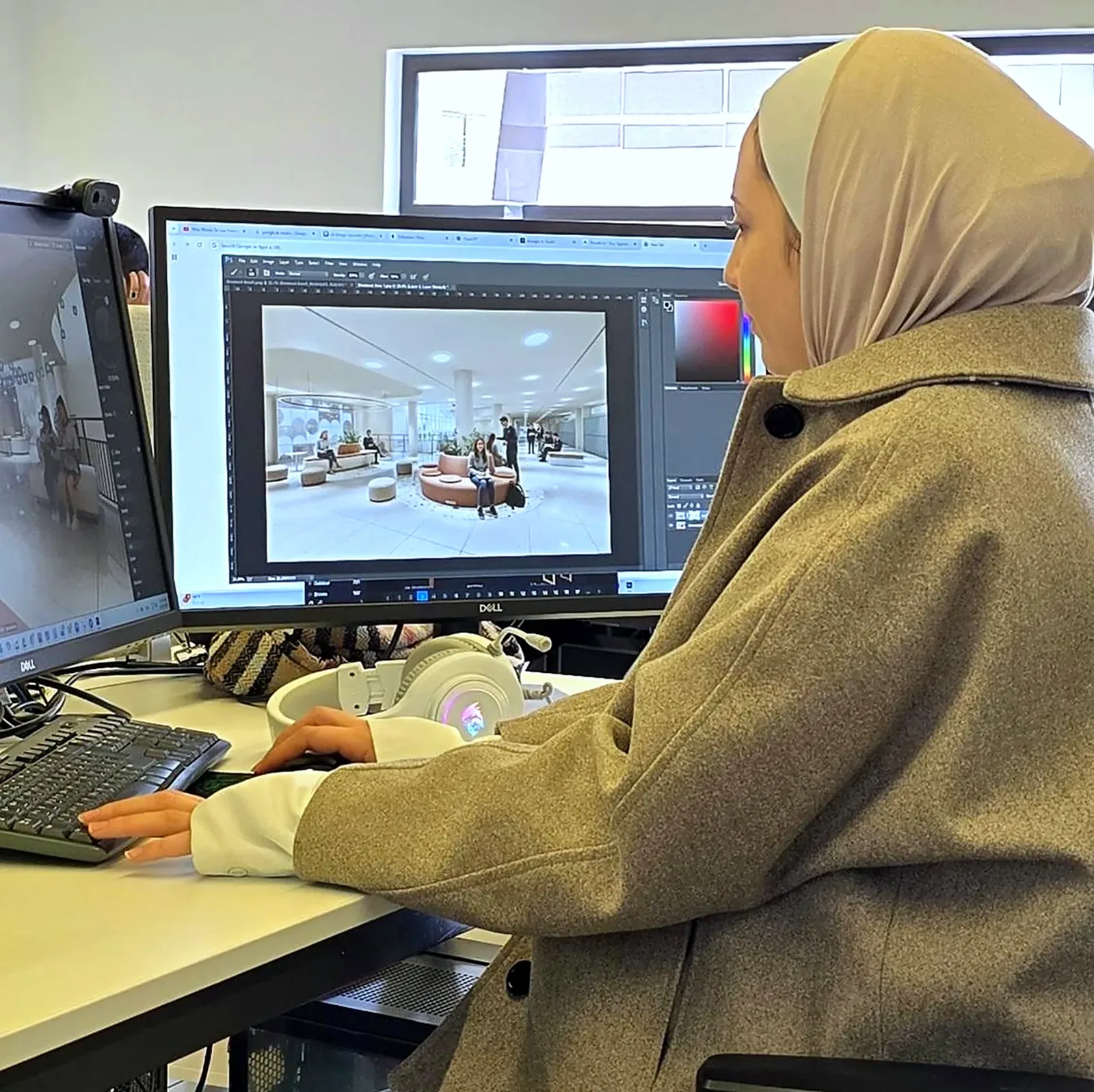
Being future ready does not mean adopting technology for its own sake.
We continuously improve the tools we use for design, coordination, project management, communication and decision-making, from BIM and cloud-based collaboration to data systems, automation and AI-enabled workflows.
We also develop many of our own internal systems, allowing us to adapt tools and processes to the way our projects and business actually operate.
Technology strengthens professional judgement; it does not replace it.
We stay close to delivery
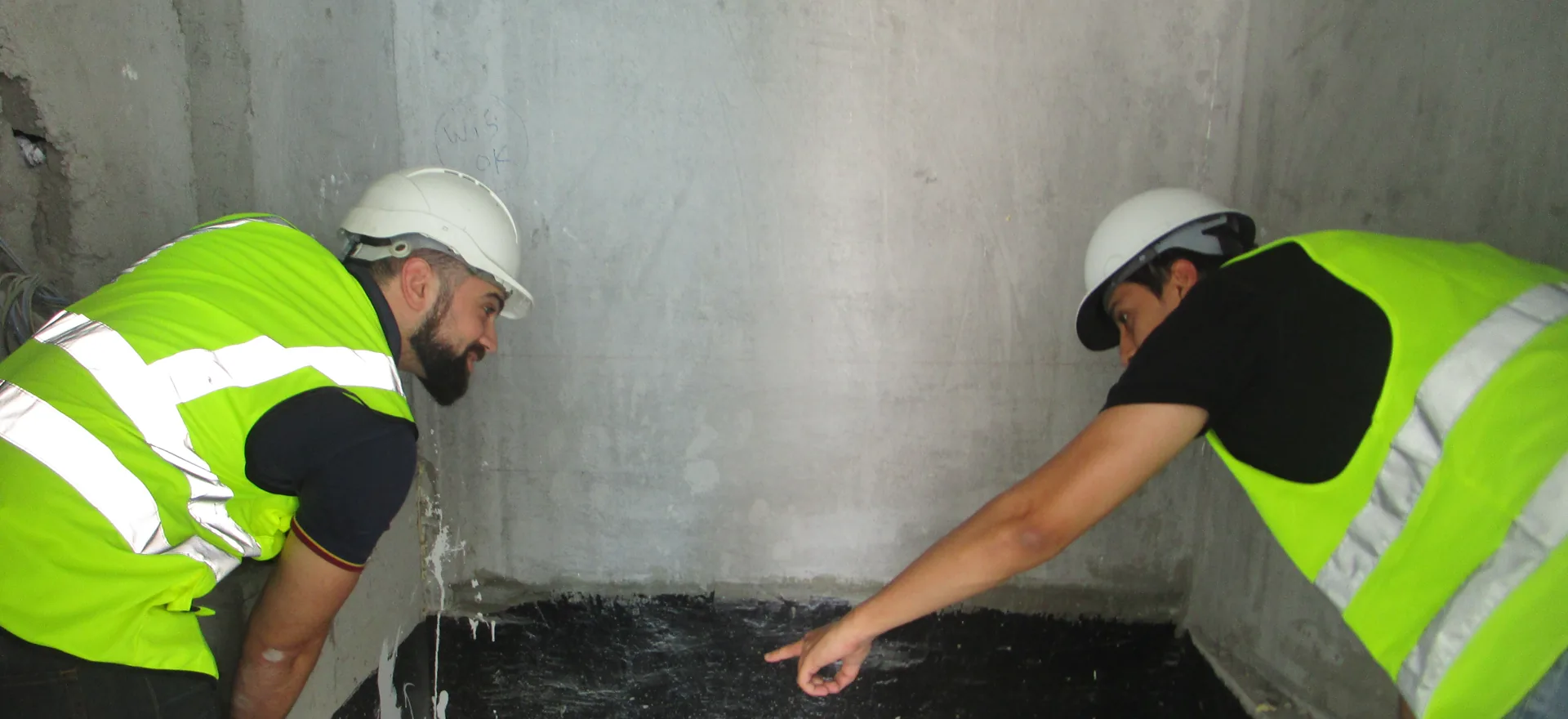
Our thinking is grounded in what happens beyond the design office.
Experience in authority approvals, tendering, construction supervision and project management gives our design teams a clearer understanding of how decisions translate into built outcomes.
Equally, our construction-stage teams benefit from access to the specialists who developed and understand the design.
That continuity helps us resolve issues intelligently rather than treating each project stage as a separate exercise.
We improve continuously
Experience matters only if it is converted into better ways of working.
We review how projects perform, improve our systems and standards, invest in our people and adopt better methods as they become available.
Our ambition is not simply to do more. It is to become better at what we do, project by project, year by year.